
A newborn recognizes their parents’ voices long before they learn to walk, but the journey to autonomy never follows a precise timetable. Late sleepers sometimes develop their language or fine motor skills faster than early risers.
The environment influences development far more than age. Access to certain daily experiences, even minimal ones, fosters unexpected progress, sometimes contrary to traditional expectations. The milestones of childhood do not follow any linear logic.
Understanding autonomy in children: a key stage of development
The quest for autonomy begins very early, often even before the first words are spoken. The child observes, imitates, and gradually takes the initiative. This journey is based on a thirst for self-confidence and self-esteem. The parent supports and encourages, but never forces the issue. Every attempt deserves recognition, not just the final success.
In this progression, mistakes become a necessary step rather than a setback. Allowing the child to experiment, make mistakes, and try again gives them the keys to grow. Overprotecting limits their initiative and reinforces the fear of doing wrong. Offer them age-appropriate responsibilities, suggest small choices, even if it sometimes leads to a bit of mess. The family creates a safe cocoon where the child can dare, assert themselves, and test their own limits.
The parental example serves as a compass. An adult who can accept their flaws and recognize the strengths of others gives the child the freedom to be themselves. Forget comparison: it breeds doubt and undermines confidence. Focus on individual recognition, which values uniqueness and personal pride. A child who knows they are loved and respected in their differences finds the strength to move forward, supported by unconditional parental love.
To delve deeper into these reflections, the baby advice on Newborn – Maman Bébé Conseils offers valuable insights, from the first smile to the first initiative.
What daily actions encourage baby’s independence?
Building your child’s confidence involves simple gestures integrated into daily life. Every action, every word, builds a sense of competence. It is possible to entrust your baby with age-appropriate responsibilities that promote their autonomy:
- placing a spoon on the table,
- choosing between two outfits,
- putting away a box of toys.
Repeating these gestures day after day gradually solidifies the desire to act independently.
Free play is also a wonderful area for experimentation. Set up a mat, arrange a few objects: the child explores, creates their own rules. Used wisely, the baby playpen becomes a space for learning:
- standing up,
- grabbing,
- moving.
Let them try, try again, and sometimes fall. Autonomy is rooted in repetition and the right to fail.
Rituals created around key moments, such as meals, bathing, and bedtime, provide reference points. Show, explain, then let your child participate, even timidly. Hygiene becomes a game of imitation, and tooth brushing a shared moment. A stable routine around sleep, a varied diet, and the freedom to move, crawl, walk, and dance build a solid foundation for self-assertion.
Here are some concrete attitudes to integrate into daily life:
- Let your child try to put on their shoes by themselves.
- Offer two simple choices to encourage decision-making.
- Make hygiene a ritual where everyone has a role.
- Encourage tidying up after play, even if it’s not perfect.
Independence is not decreed. It is woven into balance: offering freedom while remaining a reassuring guide. At each stage, the child discovers that their will matters, that their actions count, and that their place in the world takes shape.
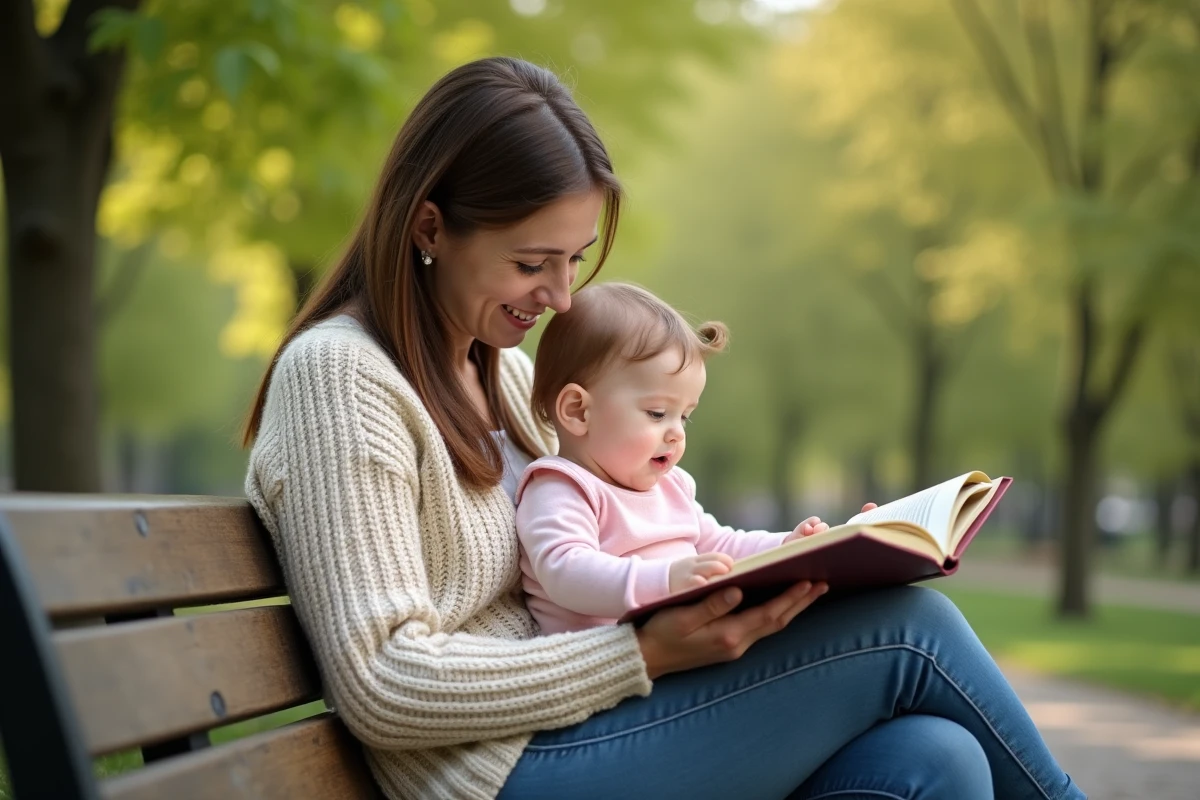
Concrete tips to help your child gain more self-confidence
Every effort made by the child deserves to be highlighted. Recognizing their attempts, even unfinished ones, values the journey more than the outcome. Learning thrives on trying, the right to make mistakes, and the freedom to fail and then try again. The home acts as an anchor: it instills the emotional security that allows for daring.
Authentic recognition, detached from success, strengthens self-esteem. Encourage rather than compare. Give each child the time to progress at their own pace, away from rigid standards. Grant them age-appropriate responsibilities that will allow them to grow:
- putting away objects,
- choosing an outfit,
- helping during meals.
These daily gestures, when repeated, make the child more autonomous.
Embodiment of what you wish to transmit: the child observes the parent, imitates, and then appropriates their own ways of doing things. Consistency between words and actions lays the foundations for learning. Love, expressed daily and unconditionally, builds trust. Avoid hasty judgments about their flaws. Embrace their strengths, accept their vulnerabilities.
Here are some guidelines to guide parental attitude:
- Encourage the expression of emotions, without taboo.
- Prioritize active listening, without interrupting.
- Set clear, reassuring limits without falling into rigidity.
Monitor growth in conjunction with a healthcare professional. Reasonable sun exposure, varied meals, preserved nights: each aspect contributes to balanced development. Confidence is forged in consistency, patience, and a benevolent gaze on each stage of childhood. It is in the constancy of daily life that the silhouette of a child ready to walk towards tomorrow, with open eyes and confidence on their shoulder, takes shape.