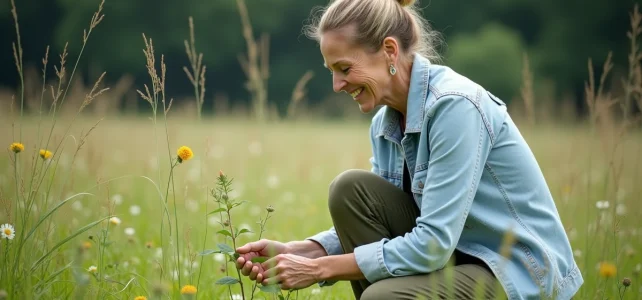
1,600. This is not the number of French cheeses, but the number of wild edible plant species recorded in the territory. And yet, they continue to fly under the radar of our plates, relegated to the status of weeds or intruders. A curious paradox: while some of these plants, sometimes deemed invasive, overflow with nutritional or medicinal qualities, the law now restricts the gathering of others, protected since 2017. An abundance under surveillance, which disrupts the ways we see and taste wild nature.
Discovering wild plants: an unsuspected wealth at the heart of nature
It’s hard to cross a meadow, walk along a hedge, or stroll through a rural bank without noticing the incredible abundance of life before our eyes. Where some pass by without seeing, others recognize unsuspected varieties that, much more than just adorning the countryside, could transform what we put on our plates. The eye gets used to it, the gaze changes, certainties waver: each walk becomes an opportunity to learn, to initiate oneself, to question the boundary between ordinary grass and edible treasure. And for those who want to inform themselves seriously, just learn more about L’Herbe sous le Pied.
Progressing in this universe means accepting uncertainty as a daily lot. Identifying species requires rigor and, above all, the humility to correct oneself, to take the time to observe, to educate oneself, or to consult someone more knowledgeable. It is at the intersection of curiosity and patience that learning opens up, far from chance, driven by the desire to better understand the nature that surrounds us.
What health benefits and everyday advantages can we expect from wild plants?
Far beyond mere originality, wild plants engage the palate and shake up our eating routines. Nettle, for example, surpasses many classic vegetables with its mineral content: a nettle soup or pesto reveals an intensity that is hard to match. We rediscover in salads the tender leaves of dandelion, perfect for energizing the liver, or the flowering tops of yarrow, unexpected allies when the body craves gentleness. Infused or fresh, these plants remind us that nature offers flavor and much more.
To vary the pleasures and experiment at home, one can rely on these practical ideas:
- Mix young wild leaves or flowers into your salads, or play the flavored butter card to change habits.
- Prepare original pestos: dead-nettle, wild garlic, nettle, all combined with seeds or the famous acorn flour in breads or pancakes.
- Use herbs to flavor vinegars and oils, try some pickles to extend the flavors gathered throughout the seasons.
Gathering is not just a one-time harvest: it is an attentive process that reconnects our actions to the season, to the earth, and rehabilitates foods erased by agro-industry. Each dish prepared with these finds becomes an opportunity to enrich one’s palate and reconnect with the rhythm of life.

Responsible gathering: practical tips to preserve biodiversity while enjoying
Gathering is now a commitment. Gone is the old reflex of a basket overflowing; it is now about reflecting on impact, regeneration, and fair harvesting. Vigilance is essential: do not uproot, never exhaust, and respect the sustainable health of populations. The principles of the SIMPLES Charter serve as a compass for those who wish to gather without causing harm.
In the face of the risk of confusion, hemlock does not forgive mistakes; it is better to seek advice from someone experienced or to systematically verify using reliable sources. Collective caution protects and advances everyone, preventing a pleasant harvest from turning into a regrettable incident.
With each walk, certain precautions must be taken to combine pleasure, safety, and respect for the places: keep these in mind for virtuous practice:
- Select sites away from pollutants (roads, treated plots) to ensure the quality of the plants brought back.
- Examine freshness, look for signs of pests or diseases, and eliminate anything that seems dubious.
- Dry the plants under suitable conditions: in the shade, in a ventilated space to maintain aromas and properties.
- Follow regulations: refrain from gathering in protected sites, respect fences and private properties at all times.
Wandering in nature, basket in hand, is to regain an authentic relationship with what grows at our doorstep. Who knows? During the next walk, it may only take a carefully picked leaf to quietly restore this precious dialogue between humans and nature, an invitation to no longer view flora as mere decoration but as a companion to protect, step by step.