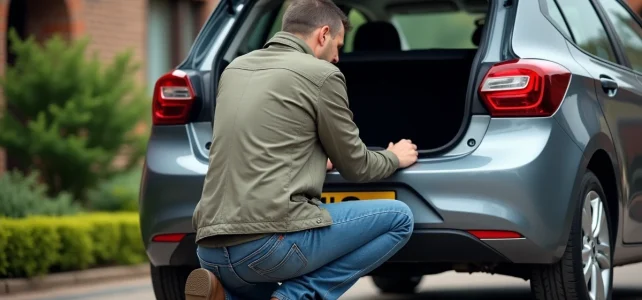
A beep sounding for no reason, the feeling of being watched with every reverse: on certain Peugeot 308 models, the rear radar alert system doesn’t always wait for a real obstacle to activate. Sometimes, everything goes haywire due to a temperamental sensor, a poorly recognized hitch, or simply bad weather working against you.
When the rear radar of the Peugeot 308 becomes a source of trouble: common causes and situations
To park a Peugeot 308 with confidence, the rear radar proves to be quite useful. However, there are times when this device, with its parking assistance sensors embedded in the rear bumper, turns against its driver. Unwanted beeping, error messages displayed on the dashboard: assistance can quickly turn into irritation.
What elements should you prioritize monitoring? Here are the most common causes encountered by 308 owners facing unjustified alerts:
- Dirty or damaged sensor: a splash, a minor bump, and the detection goes awry.
- Blown fuse or faulty rear switch: the information chain breaks.
- Confused calculator: it centralizes all data and can send erroneous alerts if the battery is weak or if an electrical connection falters.
External conditions complicate matters: rain, snowflakes, mud, or a wall too close can muddle the signal from the parking sensors. The driver then has to deal with continuous sound warnings, even without any real obstacle behind. In these moments, deactivating the rear radar alert on the Peugeot 308 becomes a welcome solution. This avoids unnecessary trips to the mechanic and makes driving more serene while addressing the problem at its source.
How to safely deactivate the rear radar alert: detailed steps for experienced users
To neutralize the rear radar on a Peugeot 308, several options are available to you, depending on the vehicle’s generation and cabin configuration. The simplest way is to press the P button, usually located near the gear lever or multimedia system. A press, and the alerts stop for the duration of your maneuver. Nothing is changed in the calculator: the deactivation remains temporary and reversible.
If your model features a touchscreen multimedia system, the deactivation can be managed from the dashboard screen: access the dedicated menu, look for “parking assistance” or “parking aid,” then turn off the rear radar with a gesture. This digital management allows you to adjust the alerts without touching the wiring. If you’re unsure about the location of the controls or the procedure, a glance at the user manual can often be helpful.
In some cases, you may need to perform a reset of the system if the alert persists despite the cutoff. Turn off the ignition, wait a few minutes, then restart. For the most stubborn situations, a temporary disconnection of the battery can reset everything: however, be sure to follow safety guidelines before working on the battery.
If a lasting anomaly occurs, the next step is to use an electronic diagnostic tool. This device, commonly used by professionals, allows you to probe sensors and the calculator to pinpoint the exact source of the malfunctions. This approach is essential to avoid any risky manipulation and maintain the reliability of driving aids.

Replacing a faulty sensor: the essential tutorial to restore a reliable system
A parking assistance sensor that falters turns every parking maneuver into a guessing game. On the Peugeot 308, these sensors located in the rear bumper emit ultrasound: the calculator collects these echoes to signal the slightest presence. Any defect and the whole system jams.
Before replacing anything, you must identify the culprit. For this, an electronic tool is useful to pinpoint the problematic sensor. Some symptoms are hard to miss: absence of beeping, alert message on the dashboard, or erratic operation during parking. A visual inspection of the bumper sometimes reveals a displaced, dirty, or damaged sensor.
To change the sensor, park the car on level ground, turn off the ignition, and secure the battery. Carefully remove the rear bumper, disconnect the connector from the faulty sensor, then install the new model. Reconnect, replace the bumper, and ensure everything is properly adjusted to guarantee the sealing and reliability of the device.
Next, you need to reset the system: a restart of the vehicle is enough for the calculator to recognize the new sensor. A final check via the dashboard confirms that the repair was successful. If the operation seems complex or if doubts persist, consult a professional with the necessary tools and knowledge. It’s better to have a reliable radar than a phantom beep with every reverse.
A silent Peugeot 308 during maneuvers: that’s a regained peace, where every parking returns to its rightful place, without detours through stress.